India’s approach to free trade agreements (FTAs) has evolved significantly since its initial limited “early harvest scheme” with Thailand, which covered fewer than 100 products. Early concessions under that agreement led companies like Honda and Sony to import components such as gearboxes and television sets rather than manufacture them domestically, raising concerns about the impact on local industry.
Subsequently, the government adopted a more cautious stance, maintaining tariffs on “sensitive sectors” including wine and spirits and automobiles to protect domestic manufacturing and agricultural interests, particularly grape farmers. Policy changes affecting farmers remained a firm boundary.
A noticeable shift occurred with the interim trade agreement with Australia in 2022, following India’s withdrawal from the China-led Regional Comprehensive Economic Partnership (RCEP). The government showed increased willingness to reduce tariffs on higher-priced wines while providing assurances of technical support to domestic producers. It also introduced quota-based concessions for select agricultural products, allowing limited import quantities rather than unrestricted access.
With each new trade agreement, the range of concessions broadened. The pact with the European Free Trade Association (EFTA)—comprising Switzerland, Norway, Iceland, and Liechtenstein—expanded product coverage to include items such as chocolates and watches. Negotiations also began to address investment commitments, an area previously underdeveloped in India’s ASEAN FTAs. Under the EFTA agreement, the group committed to $100 billion in fresh foreign direct investment.
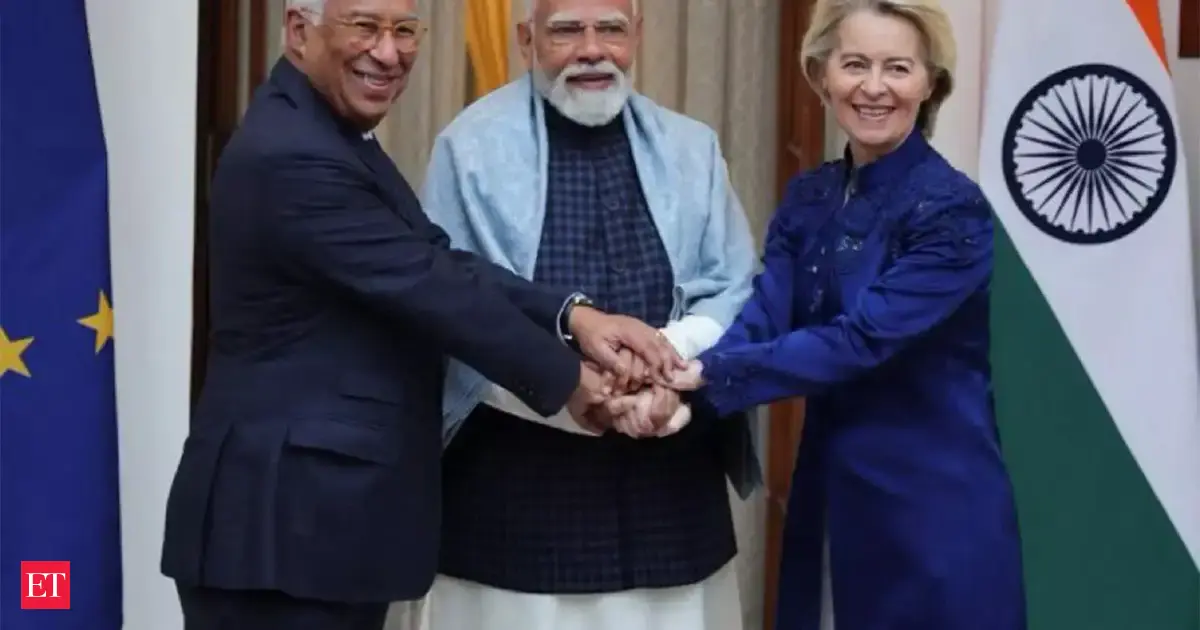
By the time India finalized its agreement with the European Union, its eighth trade pact in four years, the list of protected products had notably decreased. Apart from cereals, pulses, dairy, and genetically modified foods, negotiators demonstrated greater readiness to make concessions, reflecting increased confidence and experience. Tariff reductions on French and Spanish wines were balanced by granting access to European markets for limited quantities of Indian grapes. Imports of pears and apples were permitted under strict conditions, including volume caps and minimum import prices to prevent the landed cost of apples from falling below Rs 96 per kilogram.
The government has also adjusted concessions based on the market potential of each partner country. For example, no duty concessions were offered for British electric vehicles in the UK FTA finalized in May, whereas a limited number of electric vehicles were allowed under the EU deal eight months later.
Commerce and Industry Minister Piyush Goyal noted that “every FTA stands on its own footing.”
India’s evolving strategy is also reflected in its engagement with “new issues” previously considered non-trade concerns. Modern FTAs now include provisions on intellectual property rights, small and medium enterprises, digital trade, labor, and environmental standards. Officials stress that these commitments align with India’s existing international obligations and do not compromise domestic patent laws.
A senior government official stated, “It is about how you negotiate these issues. We are firm on certain aspects and we will stick to them in our other engagements as well.”